

All students can see the therapist for mental wellness. We take most insurance and self-pay, and offer a sliding fee discount. Students, families, or school staff and administrators can ask for services. The therapist then meets with the student and family to decide on a course of treatment.
In crisis? Call or text 988, any time.
In an emergency, call 911.
Ways We Help
Counseling at our Idaho Falls, Rexburg and St. Anthony clinics, and in local schools.

Individual Counseling
One-on-one sessions with a trained mental health provider, in a safe, caring and confidential setting.

Family Therapy
Family sessions that improve communication, nurture change and help address conflict.

Couples Counseling
Help working through relationship difficulties, in a setting built on empathy and growth.

School-Based Therapy
Therapists placed in schools from Fremont County to Jefferson County, so students get help during the school day.
Your First Visits
Here’s what to expect when you reach out.
Reach Out
Call us or request an appointment to get started.
Make a Plan Together
Your provider listens first. Then you set goals together, built on what matters to you.
Check In as You Go
Therapy doesn’t always feel good at first. You’ll review progress together and adjust your plan.
What We Can Help With
Our providers treat a wide range of concerns for children, teens and adults.
- Anxiety
- Depression
- Bipolar Disorder
- Trauma
- Suicidal Thoughts
- Self-Harm
- Anger and Emotional Regulation
- Separation and Divorce
- Teen Behavior Problems
- Substance Misuse
- Grief and Loss
- Self-Esteem
- Relationship Difficulties
Our Team
Hear From Our Team
A Grand Peaks team member talks about the care we provide.
YOUR CARE PLAN
Individualized Treatment Plans
There’s no one-size-fits-all model of treatment. Your plan is built around you.

No One-Size-Fits-All Treatment
- Everyone manages stress, anxiety and depression differently.
- Your provider works with you to create goals that fit you, so you get the best possible care.

More Than One Condition Is Common
- It’s common to have depression and anxiety at the same time.
- Nearly half of people diagnosed with depression also have higher levels of anxiety.
- Your treatment plan is tailored to address each condition.

Your Care Plan
- Your provider will meet you where you are.
- Your provider draws on your natural supports and strengths to guide your plan.
- You’ll be empowered to change habits and behaviors that may be keeping you stuck.

Reviewing Your Progress
- Therapy doesn’t always feel good. It may uncover pain or discomfort that, at first, makes you want to quit.
- Your provider will regularly ask for your feedback on your care and your plan.
- It may take time to learn what works for you. Don’t give up.
SCHOOL-BASED HEALTH CENTERS
Therapy at School
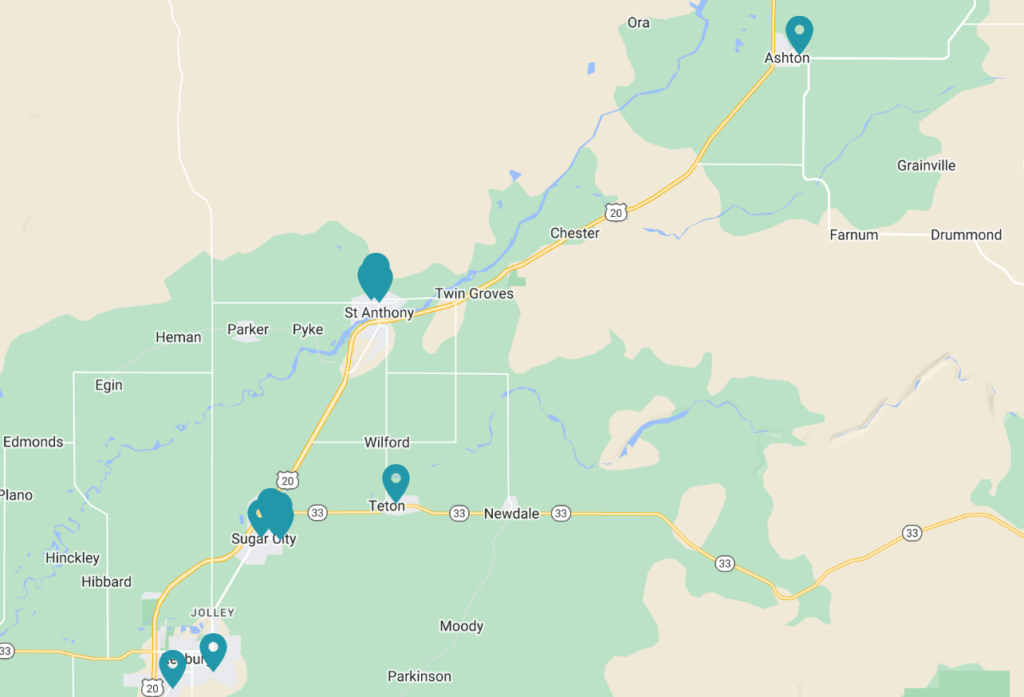
Grand Peaks therapists work in 12 partner schools across the Upper Valley, and the list keeps growing. Students get support where they already are.
Counseling at school is similar to counseling at a clinic. Our therapists meet students in a clean, safe and private space, usually for 30 to 40 minutes. Counseling is protected by privacy laws, though the therapist may work with school staff when appropriate, and may ask for family involvement when needed.
Is school-based therapy a good fit?
- A student is having serious emotional or mental health problems.
- A student is having behavior problems in the classroom.
- A student’s behavior has changed. They are quieter and more withdrawn, more disruptive, or missing assignments.
- There is a known stressful event in a student’s life.
Partner Schools
- Henry’s Fork Elementary
- Teton Elementary
- Parker Elementary
- South Fremont Junior & Senior High
- North Fremont Junior & Senior High
- Ashton Elementary School
- Madison Middle School
- Central Alternative/Madison
- Kershaw Intermediate
- Central Elementary
- Sugar Salem Junior & Senior High
- Valley View Alternative
Mental & Behavioral Health in Children
You know your child best. If you have any reason to believe something is off, please ask for help.
Signs to Watch For
- Intense mood swings, agitation, irritability or anxiety well beyond what you’d expect for their age, lasting longer than two weeks at a time.
- Refusing to go to school.
- Regular temper tantrums beyond what is age appropriate.
- Excessive arguing and defiance.
- Evidence of self-injury.
- Statements about suicide or feeling like a burden to others.
Your child may also often complain of physical symptoms like headaches, stomach pain and disrupted sleep.
Common Causes
Many factors, from genetics to environment, contribute to behavioral and mental health problems:
- Family history of mental illness
- Abuse, neglect and other trauma
- Divorce or separation
- Substance abuse
- Traumatic injuries
- Cognitive and intellectual disabilities
- Bullying
- Excessive peer pressure, social media and time online
- Sometimes there isn’t a reason.
How You Can Help Your Child
- Let them know that anxiety and depression are normal.
- Get informed and start learning. Talking with children about mental health can feel intimidating.
- Work on your empathy. Managing your own emotions helps your child work on theirs.
- Help your child find an outlet. Learn coping skills together to manage anxiety and depression.
- Be active in your child’s care. Be present, open-minded and willing.
Help and Hope Are a Call Away
Mental health conditions are among the most common health conditions in the United States. According to the CDC:
- More than 50% of people will be diagnosed with a mental illness or disorder at some point in their lives.
- 1 in 5 Americans will experience a mental illness in a given year.
- 1 in 5 children have had a seriously debilitating mental illness, now or at some point in their lives.
- 1 in 25 Americans lives with a serious mental illness, such as schizophrenia or major depression.
Source: CDC, About Mental Health